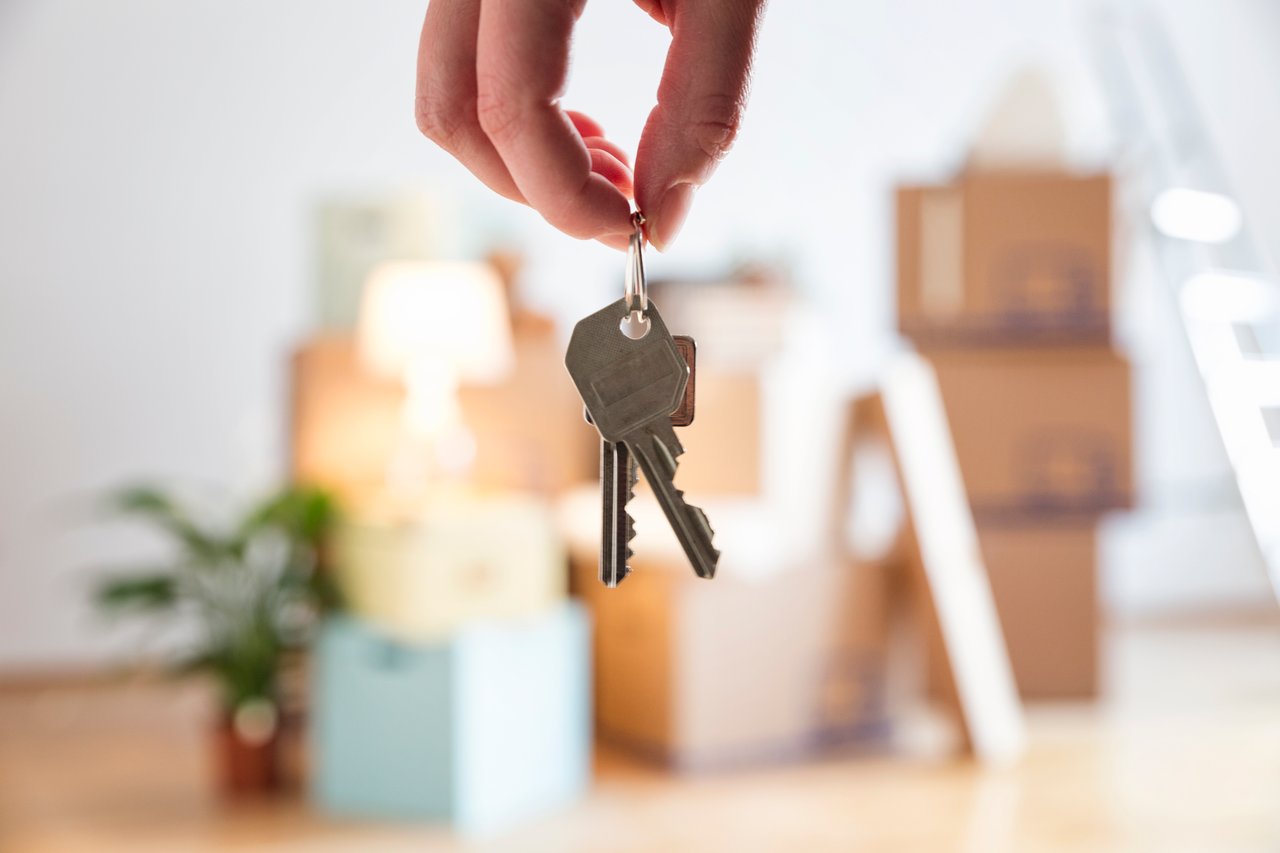
FAQ’s Regarding Down Payments: What Every Homebuyer Should Know
May 14, 2026
May 14, 2026
Buying a home is one of the biggest financial decisions most people will make — and one of the most common questions buyers ask is about the down payment. There’s a lot of confusion surrounding how much you actually need, where the money can come from, and how it affects your monthly payment.
If you’re planning to buy a home in today’s market, here are some of the most frequently asked questions about down payments and what you should know before getting started.
What Is a Down Payment?
A down payment is the upfront amount of money a buyer pays toward the purchase price of a home. The remaining balance is typically financed through a mortgage loan.
For example, if you purchase a $1,000,000 home and put 20% down, your down payment would be $200,000 while the remaining $800,000 would be financed.
Do I Really Need 20% Down?
No — this is one of the biggest misconceptions in real estate.
While putting 20% down can help you avoid private mortgage insurance (PMI) and reduce your monthly payment, many loan programs allow buyers to purchase with far less.
Some common options include:
The “right” down payment depends on your financial goals, monthly budget, and loan qualification.
Does a Larger Down Payment Make My Offer Stronger?
In competitive markets, a larger down payment can sometimes make your offer more attractive to sellers because it may signal stronger financial stability.
However, it’s not the only factor sellers consider. Terms, contingencies, financing strength, and closing timeline can also play a major role.
A strong strategy matters just as much as the down payment amount itself.
Can I Use Gift Funds for My Down Payment?
Yes — many loan programs allow gift funds from family members or approved sources.
Lenders usually require:
If you plan to use gifted money, it’s important to discuss it with your lender early in the process to avoid delays during underwriting.
What Happens If I Put Less Than 20% Down?
If you put less than 20% down on a conventional loan, you’ll likely pay PMI (Private Mortgage Insurance).
PMI protects the lender, not the buyer, but it allows many buyers to purchase sooner instead of waiting years to save a full 20%.
In many cases, PMI can eventually be removed once enough equity is built in the home.
Should I Put More Down or Keep Cash Reserves?
This depends on your personal financial comfort level.
Some buyers prefer to put more money down to lower their monthly payments and interest costs. Others choose to keep additional savings for:
Buying a home shouldn’t leave you financially stretched. A balanced approach is usually best.
Are There Down Payment Assistance Programs?
Yes. Many cities, counties, and lenders offer programs designed to help first-time buyers with down payment assistance or closing cost support.
These programs may include:
Availability and qualifications vary, so it’s worth exploring what programs may be available in your area.
Can I Buy a Home If I Haven’t Saved Enough Yet?
Possibly. Many buyers assume they need years of savings before they can purchase, but today’s financing options may offer more flexibility than expected.
Speaking with a trusted lender and real estate professional can help you understand:
Sometimes buyers are closer to homeownership than they think.
Final Thoughts
Understanding down payments is an important part of preparing for homeownership. The good news is that there’s no one-size-fits-all answer — and there are more options available today than many buyers realize.
Whether you’re a first-time buyer or planning your next move, having the right guidance can make the process feel much more manageable and less overwhelming.
If you have questions about buying a home, financing options, or how much you may need to get started, I’m always happy to help guide you through the process and connect you with trusted local lending resources.
Stay up to date on the latest real estate trends.





I’m excited to guide you on your real estate journey in the heart of Silicon Valley. Let’s connect and take the first step toward your next great investment.