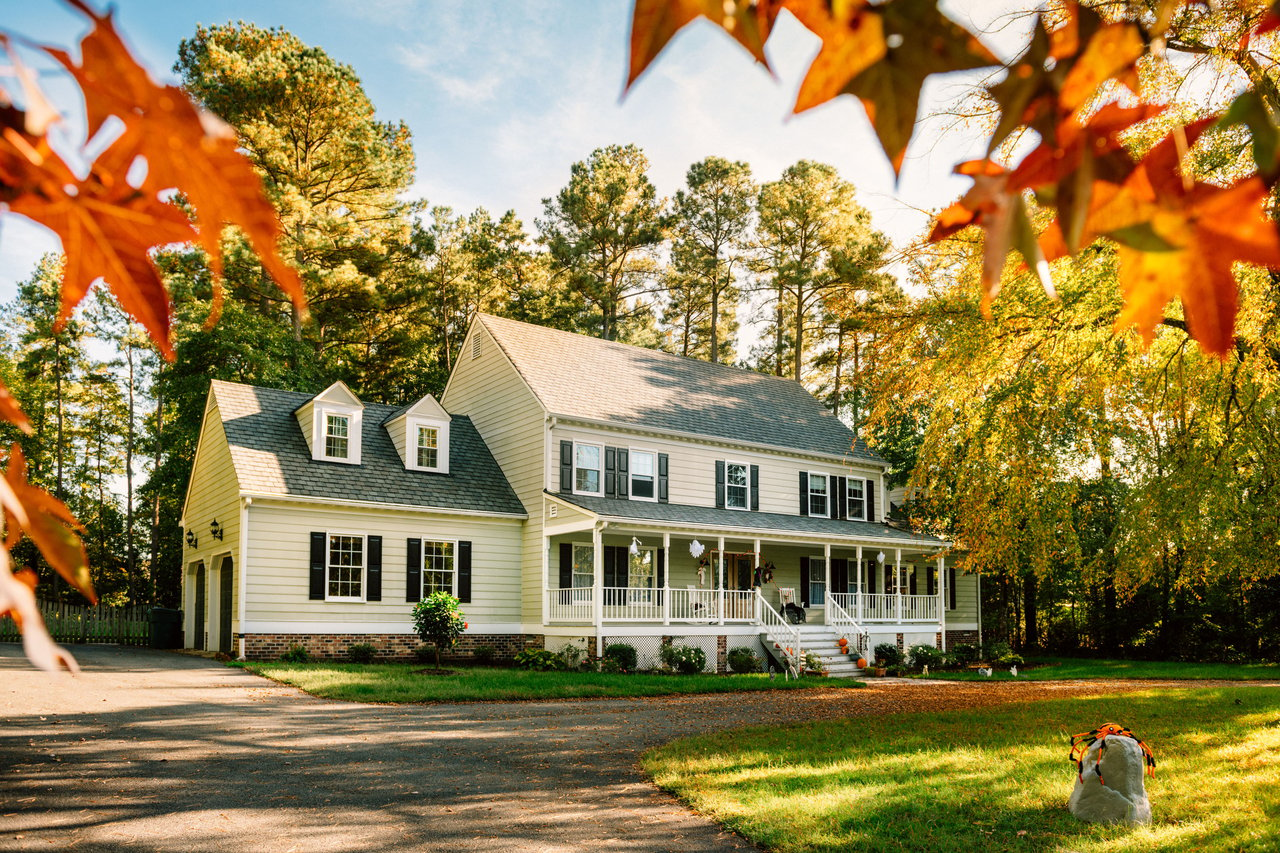
Silicon Valley Real Estate Forecast: What to Expect This Fall 2026
September 1, 2026
September 1, 2026
As summer winds down, Silicon Valley’s real estate market is heading into the fall with a different feel than the highly competitive markets many buyers and sellers remember from previous years.
The market has not simply shifted from “hot” to “cold.” Instead, conditions have become more nuanced. Buyers have more opportunities to be selective, while well-priced, desirable homes can still attract strong interest and competition.
So, what could happen this fall?
While no forecast is certain, current trends point toward a more balanced market, continued price resilience in desirable neighborhoods, and increasing importance of pricing and property conditions.
A More Balanced Market Is Taking Shape
One of the biggest stories heading into fall is the difference between having more choices and having significantly more negotiating power.
In Santa Clara County, July data showed a median single-family home price around $1.95 million, with prices remaining relatively stable year over year. At the same time, sales activity was softer and homes were spending more time on the market than a year earlier.
Other recent Silicon Valley market data paints a similar picture: Santa Clara County's July single-family median was approximately $1.9 million, up only about 1% year over year, while San Mateo County was considerably stronger, with a median around $2.12 million and annual growth above 10%.
The takeaway? There isn't one Silicon Valley housing market.
Los Altos, Palo Alto, Los Gatos, Saratoga, San Jose and the Peninsula can behave very differently depending on price point, neighborhood, property type and condition.
Single-Family Homes Could Remain Competitive
For buyers searching for a well-located, move-in-ready single-family home, fall may not bring the dramatic price reductions some buyers are hoping for.
Inventory remains relatively constrained for single-family properties. Recent regional data showed approximately 1,849 single-family homes available across San Mateo, Santa Clara and Santa Cruz counties, down more than 20% from the previous year.
That limited supply can help support prices, particularly for homes with features buyers consistently prioritize:
This means buyers may have more time to evaluate their options than they did during the most competitive periods, but they should not assume every home will be negotiable.
Condos Could Offer More Opportunities
The condo market is telling a different story.
In Santa Clara County, recent data showed condo prices down year over year while inventory increased. Marketing times have also been longer compared with single-family homes.
For buyers who are flexible about property type, this could create an interesting opportunity this fall.
Condos and townhomes may provide:
For sellers, however, this means presentation and pricing become even more important.
Mortgage Rates Will Continue to Matter
Mortgage rates remain one of the biggest variables heading into fall.
The average 30-year fixed mortgage rate recently moved to approximately 6.66%, remaining well above the ultra-low rates buyers became accustomed to earlier in the decade.
Higher borrowing costs continue to affect affordability and purchasing power.
For example, a buyer who qualifies for a certain monthly payment at a 5.5% mortgage rate may have considerably less purchasing power at a rate above 6.5%.
That doesn't necessarily mean buyers should wait.
Instead, it makes it more important to consider the overall cost of the home, financing options, future refinancing possibilities and long-term plans rather than focusing exclusively on the headline mortgage rate.
What Could Happen to Home Prices This Fall?
The most likely scenario is not a dramatic Silicon Valley-wide price surge or crash.
Instead, we could see continued price stability with significant differences from one neighborhood and property type to another.
Well-priced homes in highly desirable locations could continue to command strong prices. Meanwhile, properties that are overpriced, dated or less competitive may take longer to sell and require price adjustments.
This creates an increasingly important distinction between market value and asking price.
A seller can ask any price. The market ultimately determines what buyers are willing to pay.
Buyers May Have More Leverage — But Not Everywhere
One of the biggest opportunities for buyers this fall could be the ability to slow down and make more thoughtful decisions.
Instead of feeling pressured to make an offer immediately, buyers may have more opportunities to:
However, buyers should still be prepared to act quickly when the right home appears.
A desirable home that is correctly priced can still generate multiple offers, particularly in sought-after Silicon Valley communities.
Sellers Will Need to Be Strategic
For sellers, the fall market may reward preparation more than simply testing the market with an ambitious asking price.
Today's buyers have become increasingly selective. When they have more choices, they are more likely to compare properties based on condition, location, price and value.
That makes the basics especially important:
Price correctly.
Overpricing can cause a property to sit while competing listings attract attention.
Make a strong first impression.
Professional photography, thoughtful staging and excellent presentation can make a meaningful difference.
Highlight the right features.
Buyers want to understand what makes a property special — whether that's a remodeled kitchen, exceptional lot, home office, ADU potential or proximity to highly desirable amenities.
Watch the competition.
Your home isn't competing with what sold six months ago. It's competing with what buyers can purchase today.
What About Luxury Real Estate?
The luxury segment could remain one of the more resilient parts of the market.
Recent Bay Area data has shown particularly strong performance in some affluent Peninsula communities, helped in part by wealth creation in the technology and AI sectors.
That doesn't mean every luxury property will sell quickly. At higher price points, buyers tend to be especially selective, and pricing can have an outsized impact on marketing time.
Exceptional homes in locations such as Los Altos Hills, Palo Alto, Atherton and other highly sought-after communities can continue to attract significant interest when the property, pricing and presentation align.
The Biggest Wild Cards This Fall
Several factors could influence Silicon Valley real estate between now and the end of the year:
1. Mortgage Rates
A meaningful decline in rates could bring more buyers back into the market and improve purchasing power.
2. Inventory
More homeowners choosing to sell could give buyers additional options. Conversely, continued low inventory could keep competition strong for desirable homes.
3. Technology and Employment
Silicon Valley's housing market remains closely connected to the technology sector. Employment trends, company growth and continued AI investment could influence demand.
4. Consumer Confidence
Even buyers who can afford a home may delay purchasing when they feel uncertain about the economy.
5. Seasonal Activity
Fall typically brings a shift in buyer and seller activity. Some buyers become more motivated as the year progresses, while some sellers decide to wait until the following spring.
The Bottom Line for Fall 2026
Silicon Valley's fall housing market is shaping up to be more balanced, but not necessarily buyer-friendly across the board.
For buyers, the combination of more selective opportunities and relatively constrained single-family inventory means there may be room to negotiate — but the best homes can still move quickly.
For sellers, the market is less forgiving of overpricing. Homes that are competitively priced, well-presented and positioned correctly are likely to have an advantage.
And for both buyers and sellers, the most important takeaway is that local market conditions matter more than broad headlines.
The difference between a condo and a single-family home, one neighborhood and another, or a $1.5 million property and a $4 million property can be significant.
As we move into fall, understanding those differences will be more valuable than simply asking whether Silicon Valley is a “buyer's market” or a “seller's market.”
Thinking about buying or selling in Silicon Valley this fall? A personalized look at your neighborhood, property type and price range can provide a much clearer picture of what today's market means for you.
Stay up to date on the latest real estate trends.

I’m excited to guide you on your real estate journey in the heart of Silicon Valley. Let’s connect and take the first step toward your next great investment.