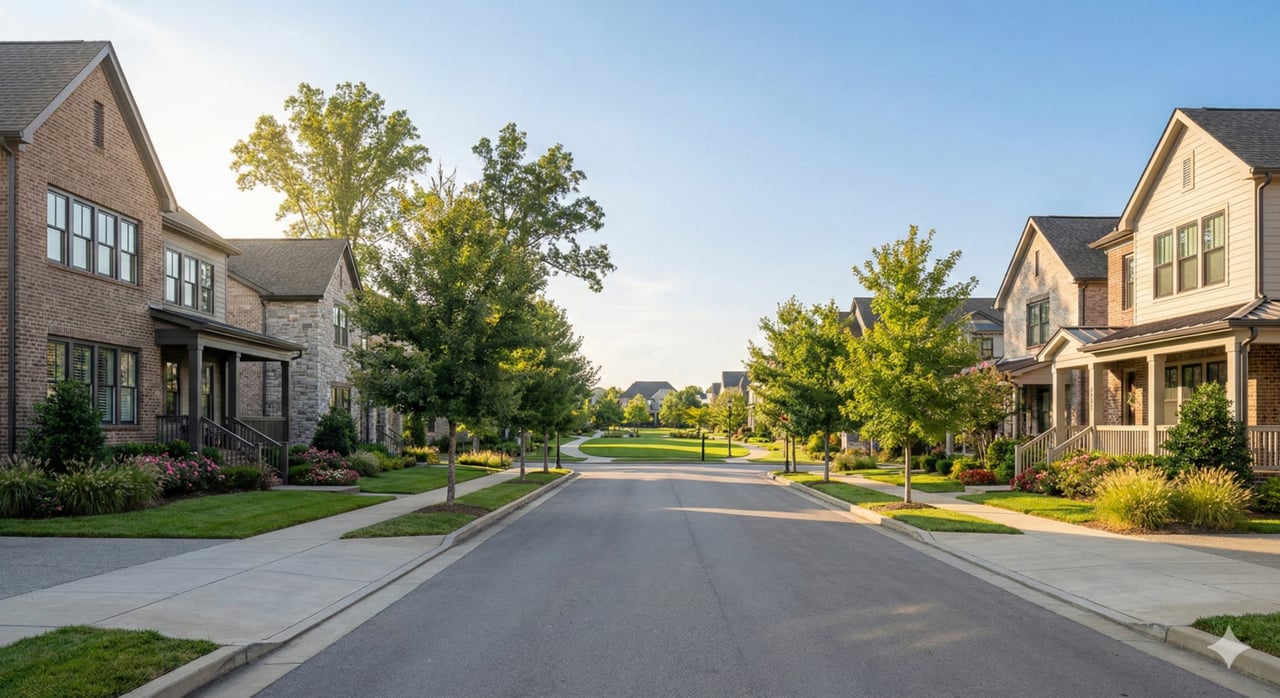
The Best Questions to Ask Before Making an Offer on a Home
September 30, 2026
September 30, 2026
Buying a home is one of the biggest financial decisions you’ll make, and the excitement of finding the right property can sometimes make it easy to move too quickly.
Before submitting an offer, it’s important to look beyond the asking price. The right questions can help you understand the property, evaluate the potential costs, and determine whether the home truly fits your needs and financial goals.
Here are some of the most important questions to ask before making an offer.
A home that has just been listed may have a very different negotiating environment than one that has been sitting on the market for several months.
Ask about the property's listing history, including whether it has previously been listed, removed from the market, or had a price reduction. This information can provide useful context when discussing your offer strategy.
You may not always get a detailed answer, but it’s worth asking.
A seller who needs to relocate quickly may have different priorities from someone who is simply testing the market. Understanding the seller's situation can sometimes help your agent determine which terms may be important in an offer.
Knowing whether you’re competing against other buyers can affect how you structure your offer.
Ask whether there are multiple offers and, if appropriate, whether the seller has indicated a preferred timeline for reviewing offers.
Remember that the highest price isn't necessarily the only factor a seller considers. Closing timeline, contingencies, financing, and other terms can also matter.
The asking price is only one piece of the puzzle.
Your real estate agent can review recently sold properties that are similar in location, size, condition, features, and other relevant characteristics. This comparative market analysis can help you understand how the home compares with the current market.
The goal isn't simply to determine whether the home is "cheap" or "expensive," but to make an informed decision about the price and terms you're comfortable offering.
A home can look fantastic during a showing while still having expensive issues that aren't immediately obvious.
Ask about the age and condition of major components such as:
If you decide to move forward, a professional home inspection can provide much more detailed information.
Ask the seller and your agent about known defects, previous repairs, water intrusion, foundation concerns, pest issues, or other property problems.
Also ask whether there are permits or documentation associated with significant renovations or additions.
You want to understand what you're buying—not just what you see during a 30-minute showing.
Your mortgage payment isn't necessarily your complete housing expense.
Depending on the property, you may also need to budget for:
Before making an offer, make sure you understand the broader financial picture.
If the home is located in an HOA community, ask about the association's fees, rules, and financial health.
You may also want to find out about:
An HOA can have a significant impact on both your monthly expenses and how you can use your property.
Don't assume everything you see in the home automatically comes with it.
Ask specifically about appliances, fixtures, outdoor equipment, smart-home devices, sheds, security systems, or other items that may be important to you.
If something matters to you, make sure it's clearly addressed in the purchase agreement.
The seller may have a specific timeline in mind, particularly if they're purchasing another property or relocating.
If you have flexibility, the closing date could potentially become an important part of your negotiation.
Ask your agent what timeline would work best for both sides.
Your offer can include conditions designed to protect you as the buyer.
Depending on your circumstances and local contract rules, these may include inspection, financing, appraisal, title, or other contingencies.
Your real estate agent can explain the available options and how each one may affect the strength and risk of your offer.
Don't focus only on your down payment.
You should also consider closing costs, prepaid expenses, inspection fees, appraisal fees, moving expenses, and the possibility of immediate repairs or improvements after closing.
Ask your lender for a detailed estimate so you know what you'll need to bring to the table.
If you're financing the purchase, the lender will generally want an appraisal to support the property's value.
Before making an offer, ask your agent and lender how an appraisal contingency works and what could happen if the appraised value comes in below your offer price.
Understanding this before you write the offer can help you avoid surprises later.
Price matters—but it's not the only factor.
Depending on the situation, sellers may care about a clean timeline, fewer contingencies, flexibility around possession, or other terms.
Your agent can help you understand which terms may be meaningful in the current market while also keeping your interests and financial comfort in mind.
Making an offer should be more than simply choosing a number.
Before you sign, make sure you understand the property, the potential costs, the contract terms, and the risks involved. A good real estate professional can help you evaluate these factors and communicate your offer clearly.
The goal isn't to make the most aggressive offer possible. It's to make an offer that makes sense for you and the home you're considering.
If you're thinking about buying a home and aren't sure what questions to ask before making an offer, I'm happy to help you understand the process and prepare for the next step.
Stay up to date on the latest real estate trends.

I’m excited to guide you on your real estate journey in the heart of Silicon Valley. Let’s connect and take the first step toward your next great investment.