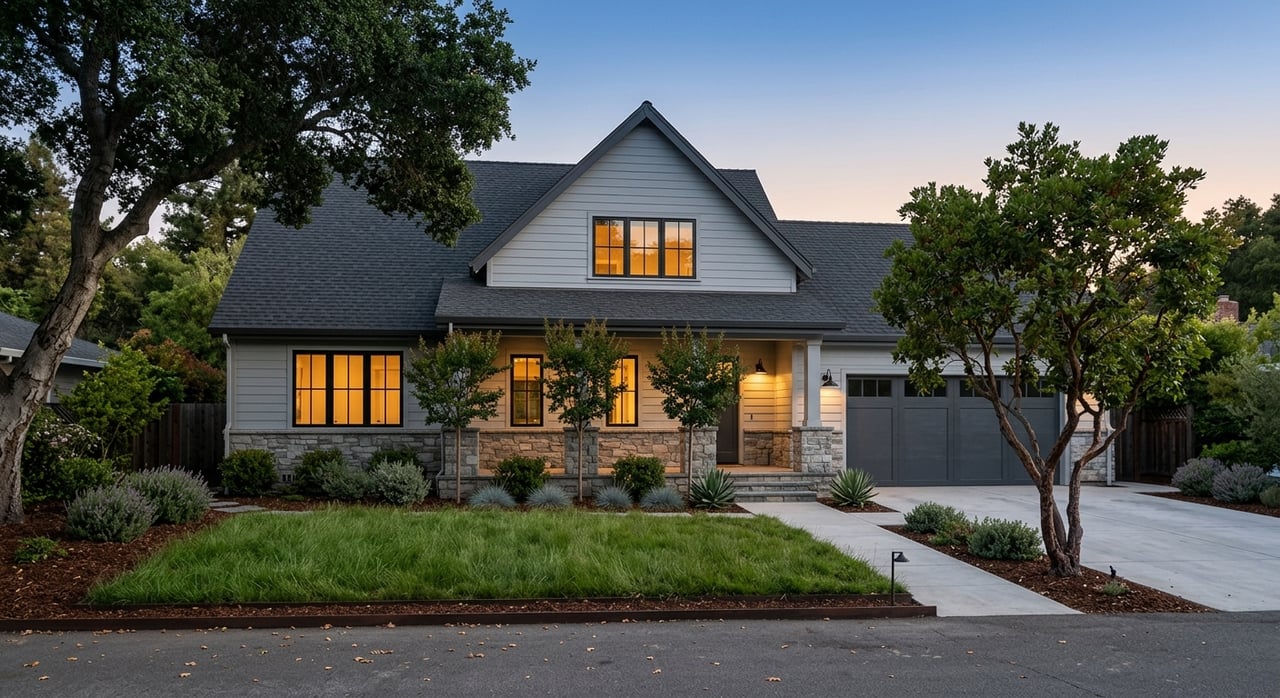
Everyday Life In San Jose’s Classic Neighborhoods
June 4, 2026
June 4, 2026
Looking for a San Jose neighborhood that feels established from day one? For many buyers, that means more than just finding a home. It means picturing your weekly routine, where you’ll grab coffee, where you’ll walk after dinner, and how easy it is to get to parks, trails, or transit. If you’re exploring San Jose’s classic neighborhoods, here’s what everyday life can really look like and how to think about the fit. Let’s dive in.
In San Jose, classic neighborhoods are usually defined by older housing stock, mature streets, neighborhood-serving business districts, and strong access to parks and civic spaces. The city’s general plan supports both new growth and the preservation and improvement of existing residential neighborhoods, which helps explain why these areas often feel layered instead of newly built all at once.
That matters if you want a neighborhood with a lived-in rhythm. In many of these areas, daily life is shaped by tree-lined streets, homes from different eras, local commercial corridors, and public spaces that have served residents for decades.
Some of the clearest examples include Willow Glen, The Alameda, Rose Garden, Almaden, and Cambrian. Each has its own personality, but they share a sense of place that comes from established streetscapes and neighborhood infrastructure.
Willow Glen is one of the best-known examples of San Jose’s classic main-street lifestyle. The city describes the Willow Glen Neighborhood Business District along Lincoln Avenue, between Coe Avenue and Minnesota Avenue, as a vibrant and pedestrian-oriented area with retail, restaurants, and service businesses.
For everyday living, that means errands and outings can feel more connected to the neighborhood itself. Lincoln Avenue is supported by details like planters, banners, murals, sidewalk cleanliness, and upgraded lighting, all of which help reinforce that walkable, local-business feel.
Beyond the business district, Willow Glen also stands out for its community amenities. The Willow Glen Community Center offers preschool, youth camps, older-adult meals, classes, and special events, which gives the neighborhood a practical, year-round civic anchor.
Parks also play a big role in the routine here. River Glen Park and Kirk Park add playgrounds, picnic areas, courts, and sports fields, while Three Creeks Trail connects to the Los Gatos Creek Trail, Guadalupe River Trail, Highway 87 Bikeway, and Coyote Creek Trail.
If you picture a neighborhood where you can mix local dining, community programming, and trail access into a normal week, Willow Glen fits that image well. It tends to appeal to buyers who want an established residential setting with a clear neighborhood center.
It is also one of the strongest options if “walkable” is high on your list. In San Jose, that kind of main-street pattern is not everywhere, so Willow Glen often stands out early in a home search.
The Alameda offers a similar west-side appeal, but with a broader historic-corridor character. The city describes it as a former transportation spine that is now a shopping, dining, and entertainment district under a tree canopy, with cafes, restaurants, booksellers, and arts businesses.
That mix gives The Alameda a mature, lived-in feel that goes beyond a simple retail strip. In 2025, the city reported 454 active businesses in the district, with an average of 15 years in place and more than 1,900 employees, which points to a stable commercial corridor with long-term neighborhood relevance.
For a buyer, that can translate into a daily routine with more nearby options for casual dining, browsing, and local services. It also suggests a corridor that has retained identity over time rather than turning over constantly.
Rose Garden complements that west-side lifestyle with one of San Jose’s best-known civic landmarks. The Municipal Rose Garden is a 5.5-acre park with more than 4,000 rose shrubs and 189 varieties, and the park has been part of the city since 1937.
The Rose Garden area is part of San Jose’s older west-side residential fabric, and the neighborhood’s identity is tied closely to the park itself. For many buyers, that creates a different kind of everyday appeal. Instead of being centered only on shops or restaurants, the neighborhood experience is also anchored by a major public green space.
Together, The Alameda and Rose Garden offer a version of classic San Jose living that feels historic, established, and west-side oriented. If you want a neighborhood where local businesses and legacy parks shape the atmosphere, this part of the city deserves a close look.
Almaden and Cambrian feel different from Willow Glen and The Alameda. While the west-side neighborhoods often stand out for walkability and commercial corridors, Almaden and Cambrian tend to center more on parks, community facilities, and lower-density residential streets.
In Almaden, daily life has a stronger outdoor rhythm. The Almaden Community Center sits next to Almaden Lake Park, Parma Park, Almaden Winery Park, and Fontana Dog Park, and the center offers classes, preschool, youth camps, older-adult meals, and community events.
The area also benefits from Almaden Quicksilver County Park, which includes more than 34 miles of hiking, equestrian, and biking trails. That is a meaningful lifestyle feature if you want your neighborhood routine to include regular outdoor time.
Cambrian has a similarly suburban feel, but with signs of gradual change near its shopping-center core. Camden Community Center is the city’s largest hub facility, and the Cambrian Branch Library offers amenities like bike lockers, a community room, computers and printing, study rooms, Wi-Fi hotspot checkout, and wireless internet access.
The planned Cambrian Park Plaza project at Union and Camden includes 48 single-family homes, 25 townhomes, 305 multifamily units, and about 7.1 acres of public open space. That points to a neighborhood that still reflects detached-home living while also making room for new mixed-use development.
If you are choosing based on lifestyle, the distinction is fairly clear. Willow Glen and The Alameda often read as more walkable and main-street oriented, while Almaden and Cambrian often feel more park-centered and residential in pattern.
Neither is automatically better. It depends on whether you want your week to revolve more around commercial corridors and strolling streets, or around open space, community centers, and a quieter suburban rhythm.
Part of the appeal of San Jose’s classic neighborhoods is architectural variety. City historic-resources materials identify neighborhoods like Willow Glen and Rose Garden among the city’s older historic-style areas, and the North Willow Glen conservation record describes development spanning from the mid-1880s to the mid-1950s.
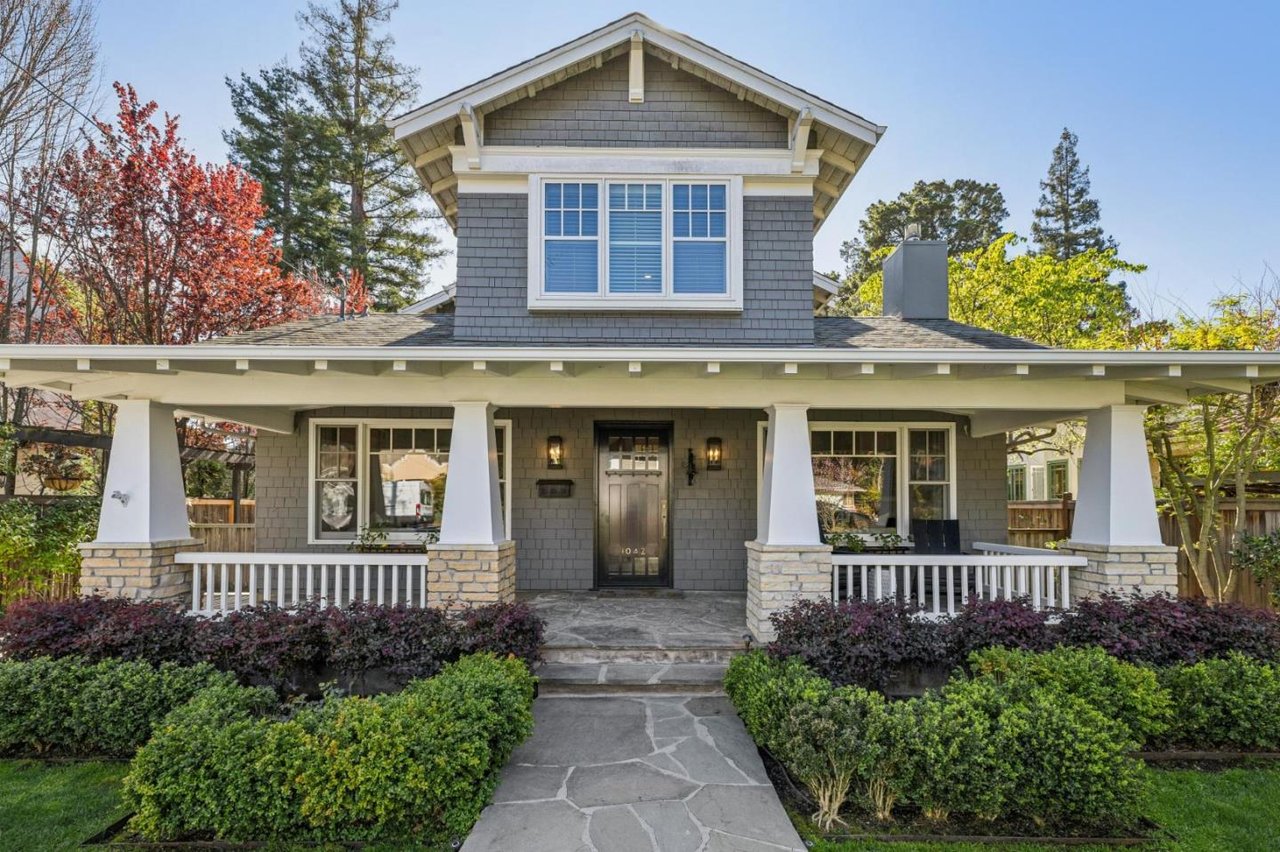
That long timeline shows up in the streetscape. The record notes a mix of twentieth-century National, Queen Anne, Neoclassical, Craftsman, Spanish Revival, and Minimal Traditional cottages, along with small homes and period detailing.
For buyers, this usually means you are not shopping in a neighborhood where every home feels interchangeable. Instead, you may see more variation in lot layout, home style, updates, and original character from one block to the next.
That can be a major plus if you value personality and a sense of history. It also means you should expect neighborhood-level nuance, because the home experience can vary more in established areas than in newer subdivisions.
Transit and commute patterns in San Jose’s classic neighborhoods are not one-size-fits-all. Residents have access to local bus service, VTA light rail, regional rail, biking routes, and driving connections, but the level of convenience depends a lot on where you live.
VTA operates Blue, Green, and Orange light rail lines, plus Rapid 500 between San Jose Diridon and Berryessa BART. Bus service also reaches neighborhood facilities such as the Willow Glen Community Center and the Almaden Community Center.
San Jose Diridon Station is a major South Bay rail hub with accessibility features, bike parking, and 581 parking spaces. Berryessa/North San Jose is the southernmost BART station in Santa Clara County and connects with frequent VTA buses into Downtown San Jose and Diridon.
From a practical standpoint, classic neighborhoods are not transit deserts, but access is uneven. Willow Glen and Almaden often rely more on local buses, biking, and driving to regional rail, while homes closer to Diridon or Berryessa may offer more immediate access to Caltrain or BART.
If commute logistics matter to you, it helps to think beyond a simple map search. The best fit often comes from matching your daily travel pattern to the neighborhood’s actual transit and road options.
Early in your search, it helps to focus less on labels and more on routine. Ask yourself where you want your time to go on a typical week.
A few useful questions to consider are:
These questions can help narrow the field quickly. In San Jose, two neighborhoods can both feel classic while offering very different day-to-day experiences.
For buyers especially, that kind of clarity matters. The right neighborhood is not just the one with the right home. It is the one that supports the way you actually want to live.
If you want help comparing established San Jose neighborhoods and finding the right match for your lifestyle and goals, connect with Ashley K Bartholomew. You’ll get clear, local guidance grounded in the kind of day-to-day details that make a move feel right.
Stay up to date on the latest real estate trends.
I’m excited to guide you on your real estate journey in the heart of Silicon Valley. Let’s connect and take the first step toward your next great investment.