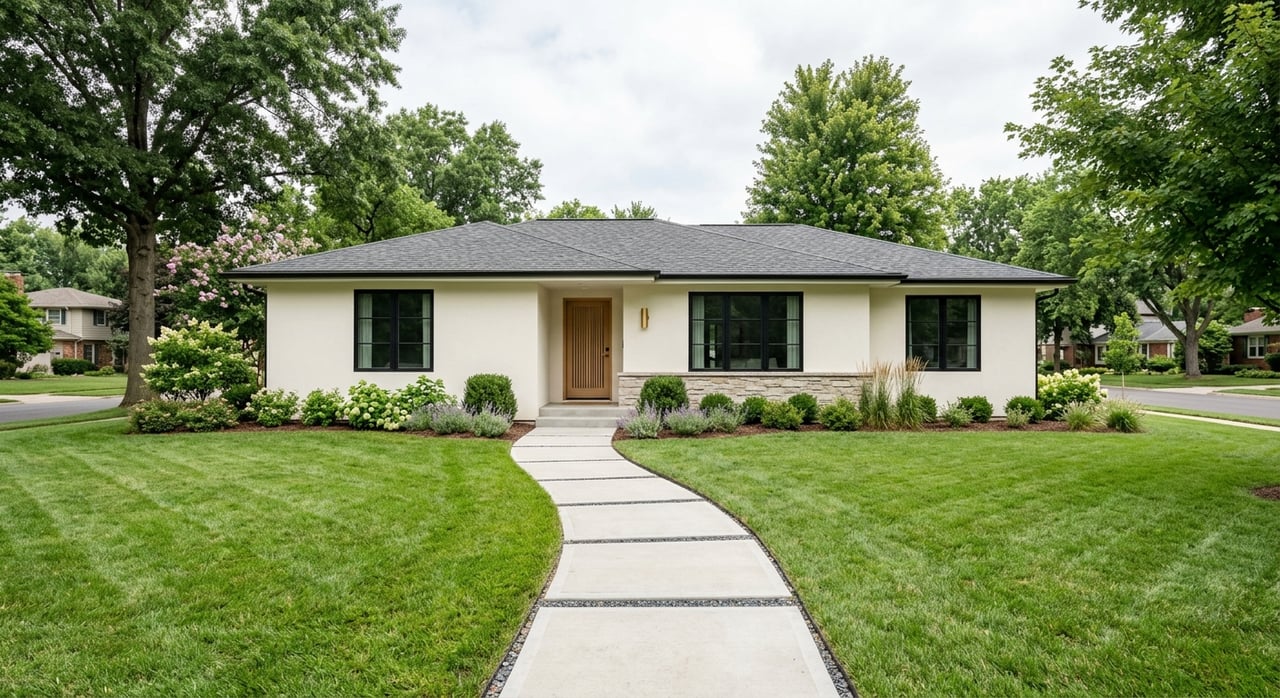
Los Altos New Builds vs Classic Homes: What To Know
July 2, 2026
July 2, 2026
Trying to choose between a new build and a classic home in Los Altos? It is a smart question, because in this market, the house itself is only part of the story. You also need to think about lot size, streetscape, design review, future upgrades, and how much work you want to take on after closing. If you want a clear way to compare your options in Los Altos, this guide will help you weigh the tradeoffs with confidence. Let’s dive in.
Los Altos is still defined by single-family living. City housing data shows 81.0% of the housing stock is detached single-family homes, and another 4.8% is attached single-family housing. That means most buyers comparing home styles here are really choosing between different kinds of single-family properties, not dramatically different housing formats.
A big part of the local housing story is age. According to the city, 45.4% of Los Altos housing units were built before 1960, and only 5.6% were built since 2010. The largest share of homes dates from 1940 to 1959, which helps explain why classic ranch homes and other mid-century properties still shape so much of the local feel.
Los Altos also has a very specific physical character. The city’s design guidelines describe quarter-acre lots, open front yards, mature landscaping, large trees, and relatively low-profile homes. When you compare a new build to a classic home here, you are also comparing how each property fits into that broader setting.
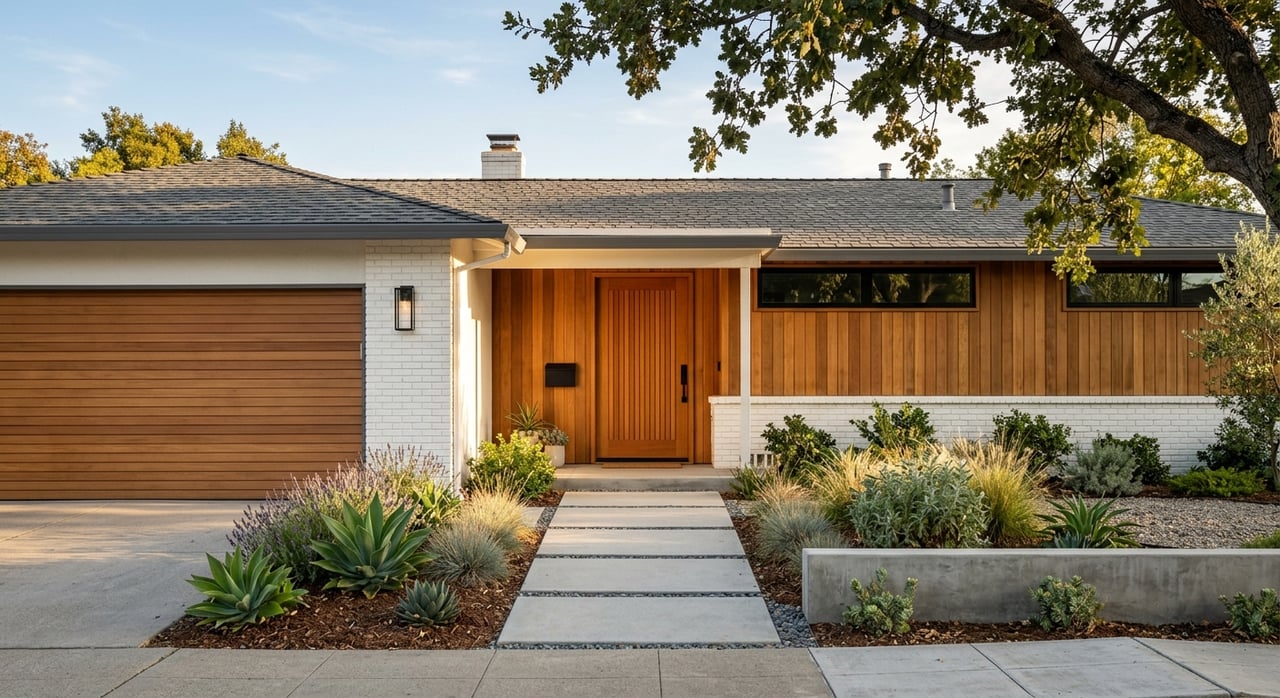
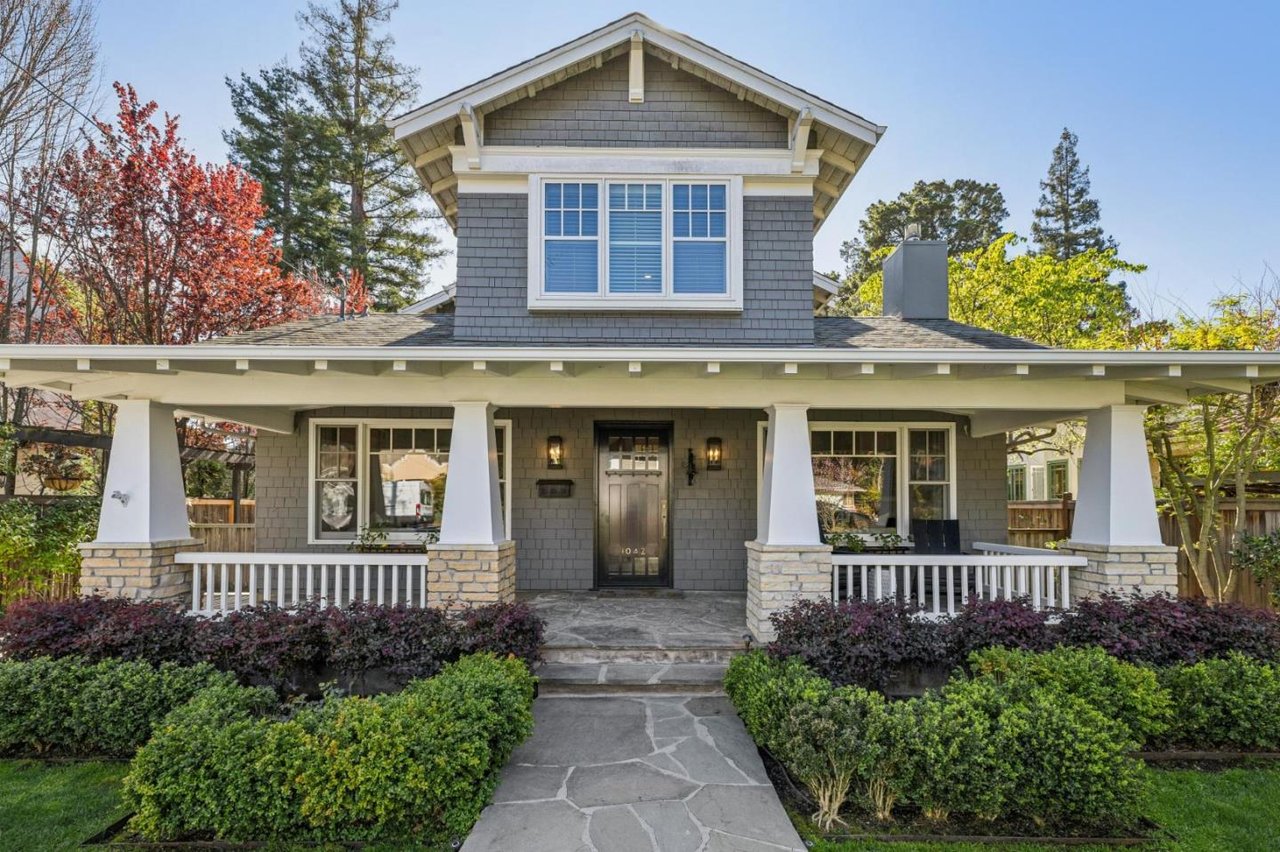
Classic homes in Los Altos often carry the strongest connection to the city’s original development pattern. The city identifies ranch as the dominant local style, especially from the 1950s housing boom. Older housing stock also includes farmhouse, Craftsman, bungalow, and contemporary homes from the 1940s through the 1980s.
These homes tend to appeal to buyers who value established streetscapes and a more layered neighborhood look. Mature trees, deeper landscaping, and simpler home profiles can create a setting that feels settled and cohesive. In Los Altos, that lot character can be just as important as the square footage inside.
Classic homes also come with real ownership considerations. The city notes that older homes typically require more maintenance, repair, and replacement of key infrastructure systems as they age. If a home has not been updated consistently, you may need to budget for both near-term repairs and longer-term modernization.
Many buyers are drawn to older Los Altos homes because they often feel more rooted in the neighborhood context. A one-story ranch on a spacious lot with mature landscaping can offer a very different experience from a newly built home, even when both are in the same price range.
You may also find more flexibility in how you improve a classic property over time. If the home already has the location, lot, and basic layout you want, thoughtful updates may help you tailor it to your lifestyle without starting from scratch.
The tradeoff is usually condition and systems. Older homes may need upgrades to heating, water heating, cooking appliances, electrical capacity, or overall energy performance. Those projects can be manageable, but they should be part of your decision from day one.
In Los Altos, additions and exterior changes are also reviewed with an eye toward neighborhood compatibility. The city says one-story additions are often easier to design with less impact, while two-story additions need careful attention to scale, materials, and composition. So if your plan is to buy an older home and expand it quickly, it helps to understand the local review environment early.
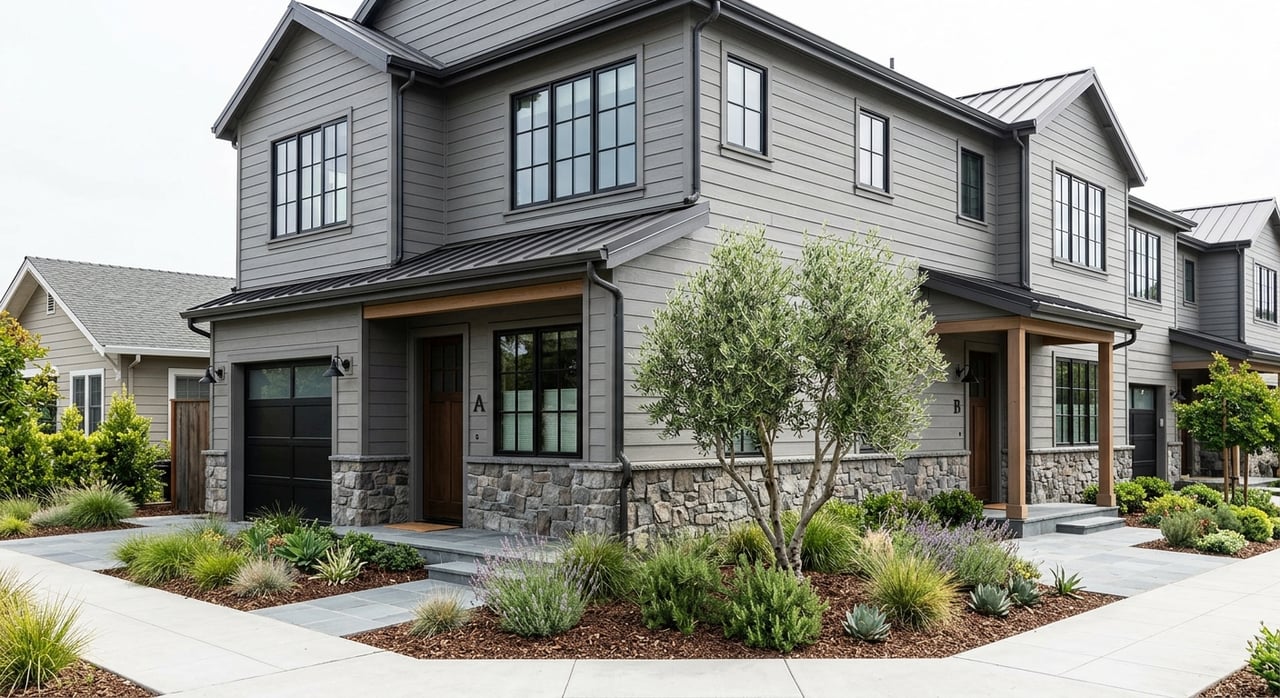
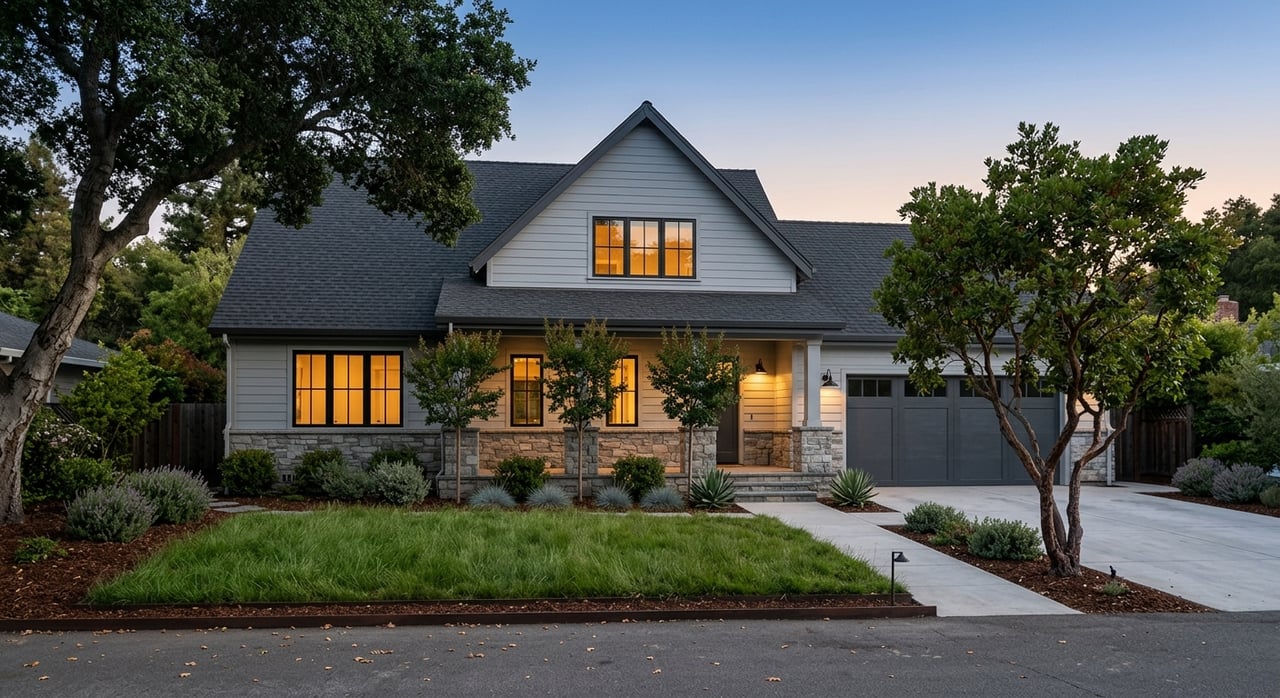
New builds in Los Altos usually arrive in one of two ways: on newly created lots or as replacement homes after a teardown. Either way, they sit within a city framework that pays close attention to how a house fits its site and surrounding block.
The city requires design review for exterior alterations, additions, and new construction in the single-family district. The stated goal is to maintain the positive physical qualities and neighborhood character of Los Altos while helping owners reach successful design solutions. In practical terms, that means new homes are not judged on size or finishes alone, but on how well they relate to the lot and nearby homes.
For buyers, that local process matters. A new build may offer fresh materials, newer systems, and a more current floor plan, but it still needs to work within a city that values compatibility and restrained streetscape design.
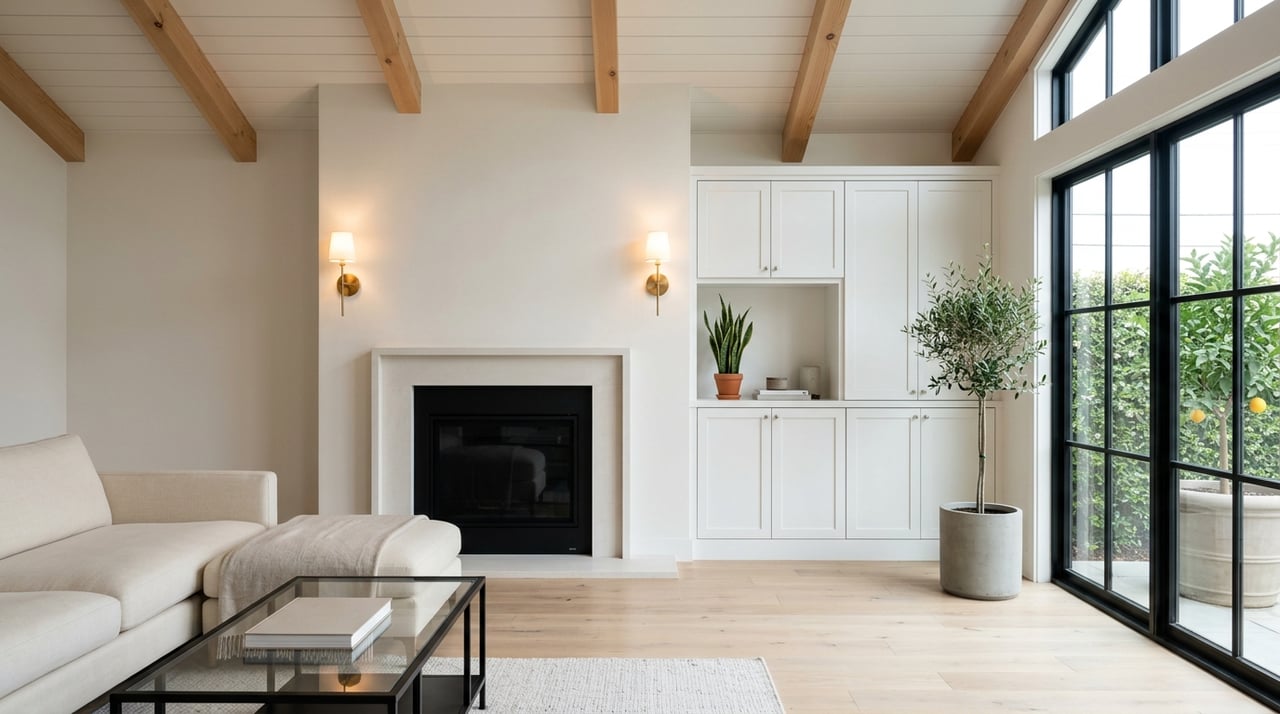
The biggest advantage of a new build is usually performance. California’s 2025 Energy Code, effective for permit applications on or after January 1, 2026, expands heat pump use in newly constructed residential buildings and encourages electric-readiness. That can make new homes easier to live in from a comfort and efficiency standpoint.
Los Altos also layers local green-building requirements on top of state standards. The city adopted the 2022 California Green Building Standards effective January 1, 2023, and requires construction-and-demolition debris diversion for demolition permits and for building permits valued at $25,000 or more. For many buyers, that means newer homes may align more naturally with current building expectations than older homes that need retrofits.
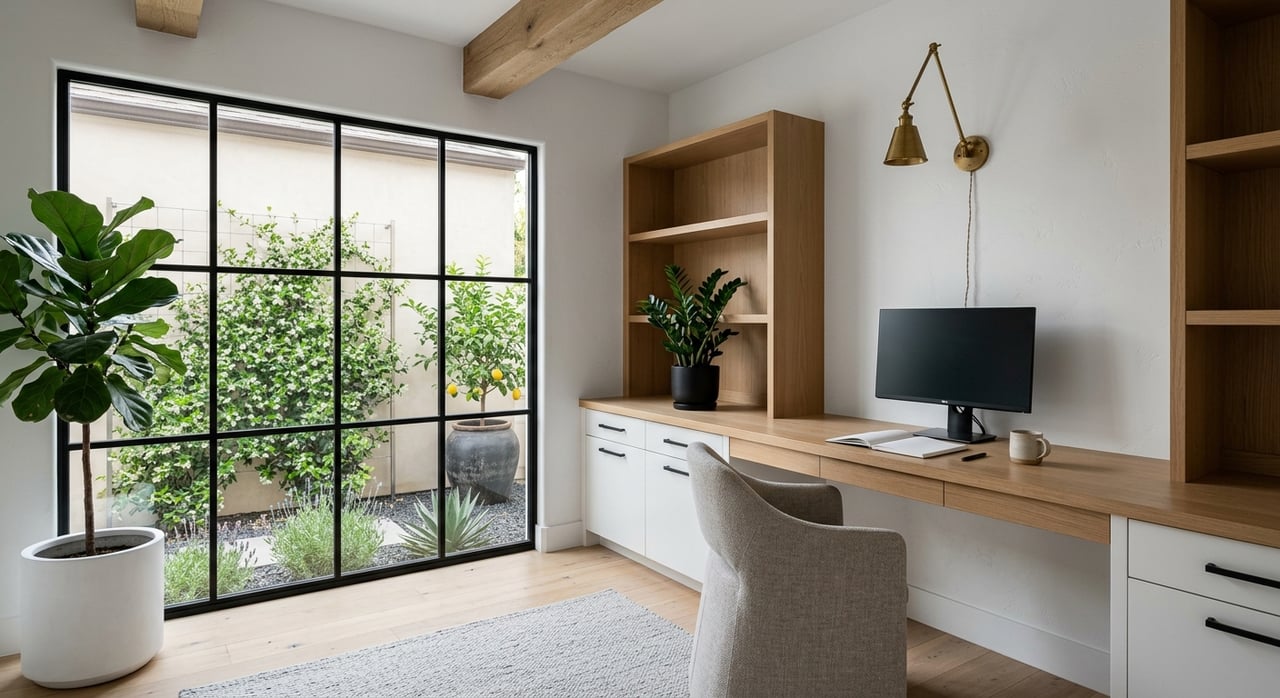
New homes can also appeal if you want a more turnkey ownership experience. If your schedule is tight or you want fewer immediate projects after move-in, a newer property may reduce the amount of repair planning and system replacement you need to think about.
In Los Altos, the main issues are often less about quality and more about fit. City guidelines flag concerns such as overly complex rooflines, fragmented building forms, homes that appear much larger than adjacent properties, garage-dominant facades, and too much hardscape in the front yard.
That matters because your experience of a new home is not only about the interior. In a city known for open front yards, landscaping, and lower-profile homes, a design that feels out of scale with its surroundings may read very differently from one block to the next.
One of the biggest differences between Los Altos and some other markets is how much the city focuses on residential design review. If you are thinking about buying a home with plans to remodel, add on, or rebuild later, this is not a minor detail.
Any exterior alteration, addition, or new home in the single-family district is subject to review. The city’s process looks at scale, massing, privacy, and neighborhood compatibility. So whether you buy a classic ranch that needs expansion or a lot you hope to rebuild, you should expect a process shaped by those local priorities.
Construction timing is also regulated. Los Altos allows residential construction from 7:00 AM to 5:30 PM Monday through Friday and 9:00 AM to 3:00 PM on Saturday, with no construction on Sundays or city-observed holidays. That may not affect your purchase decision directly, but it can shape your timeline and expectations if you plan to renovate soon after closing.
In Los Altos, the choice is not always new build versus untouched classic home. Often, the best fit is a classic property with strong bones, a desirable lot, and clear upgrade potential.
The city’s own policy direction supports that balance. Its 2023 to 2031 Housing Element aims to conserve and improve existing housing stock while also removing constraints on new housing development. That tells you something important about the local market: Los Altos is not set up as a place where old automatically gives way to new. Instead, both preservation and modernization play a role.
If you want more space without a full teardown, ADUs and JADUs can be especially relevant. Los Altos says these approvals are ministerial, which means only a building permit and related permits are required, with no planning permit or public hearing needed. The city also offers pre-approved detached ADU plans to help streamline the process.
An older home in Los Altos may be more adaptable than it first appears. The city’s electrification rebate page lists support for heat pump HVAC systems, heat pump water heaters, induction cooking, prewiring, and electrical panel upgrades.
That does not erase the cost or planning involved, but it does give buyers another path forward. If you love the location and character of a classic home, upgrading systems over time may help you keep that charm while improving comfort and efficiency.
The best question is not “Which is better?” It is “Which home already matches the balance you want between character, maintenance, comfort, and future flexibility?”
A new build may fit you best if you want:
A classic home may fit you best if you want:
In many Los Altos transactions, the smartest move is to look beyond surface finishes. A beautifully updated classic home may offer the best mix of lot quality and livability. A new build may offer efficiency and ease, but only if the setting and design feel right to you.
Because Los Altos has such a specific housing pattern and review culture, small details can have a big impact on value and fit. The age of the home, the potential for additions, the relationship to the lot, and the likely upgrade path all matter.
That is where local guidance becomes especially useful. If you are buying, you want help looking past staging and into the practical questions that shape long-term satisfaction. If you are selling, you want a strategy that highlights whether your property’s strength is classic character, updated systems, redevelopment potential, or a more turnkey presentation.
If you are weighing a new build against a classic Los Altos home, working with a local advisor can help you compare the tradeoffs clearly and move forward with confidence. For personalized guidance on buying or selling in Los Altos, connect with Ashley K Bartholomew.
Stay up to date on the latest real estate trends.

I’m excited to guide you on your real estate journey in the heart of Silicon Valley. Let’s connect and take the first step toward your next great investment.